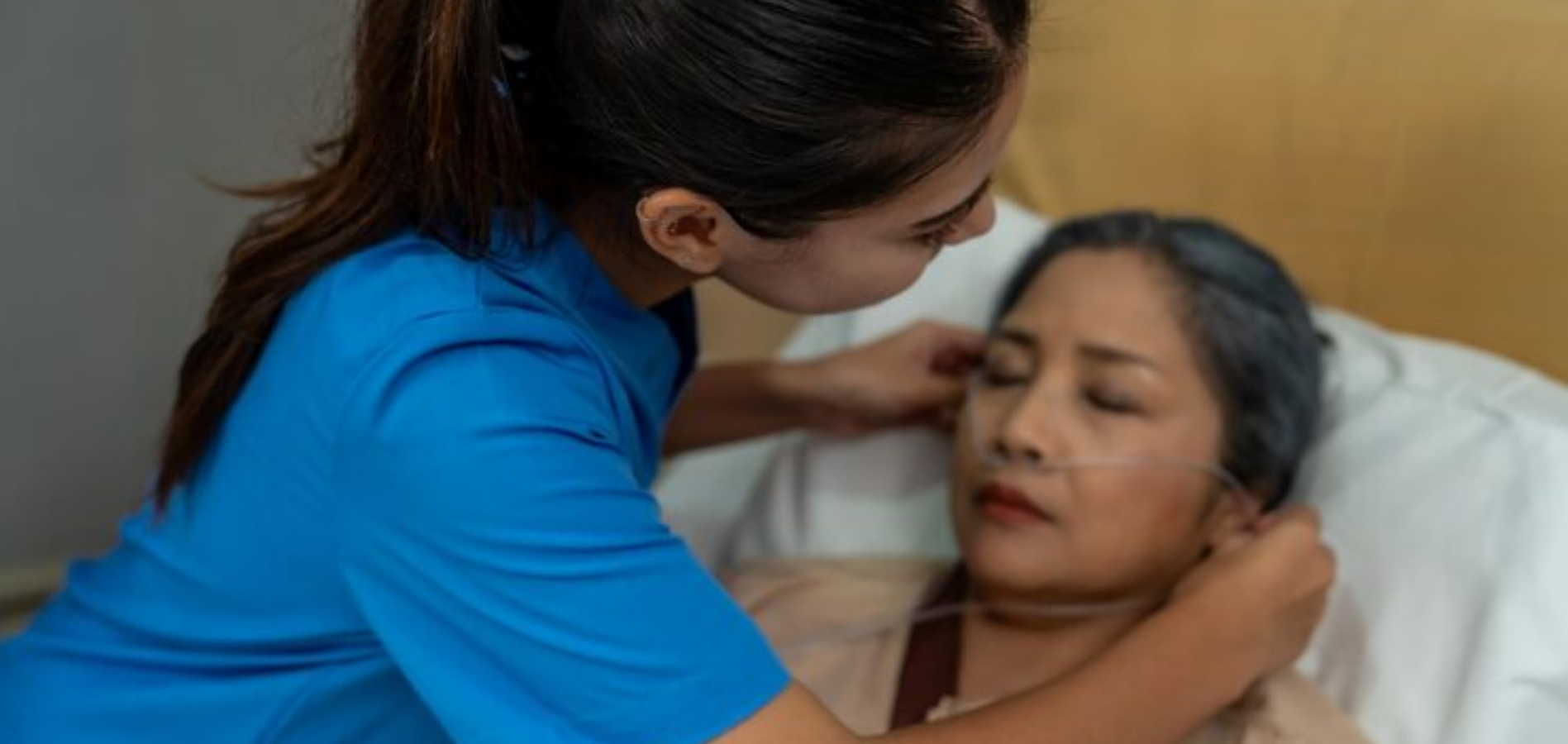
Home nursing for women addresses unique physical and emotional needs after childbirth, gynecological surgery, or during chronic illness. This guide covers postnatal care, breast cancer support, menopause management, and practical tips for family caregivers in a home setting.
Introduction
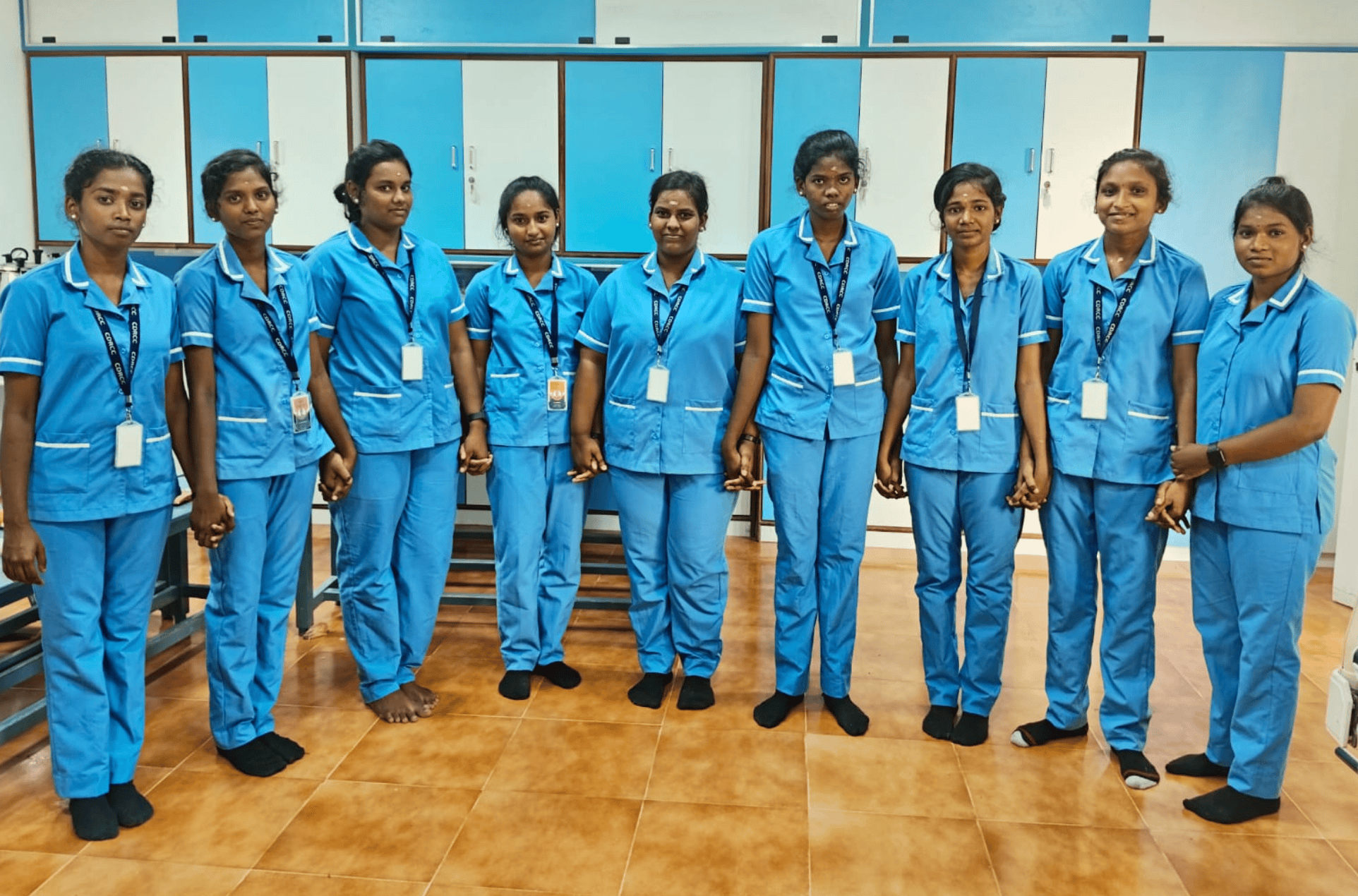
Home nursing for women is not just about treating an illness—it’s about creating a healing environment that respects a woman’s physical, emotional, and social needs. Women often balance multiple roles as caregivers, professionals, mothers, and partners, making recovery at home both comforting and complex. Proper home nursing can reduce hospital readmission rates, lower stress, and improve overall outcomes, especially after childbirth, gynecological surgeries, or during chronic conditions like breast cancer or osteoporosis.
Postnatal and Maternal Care
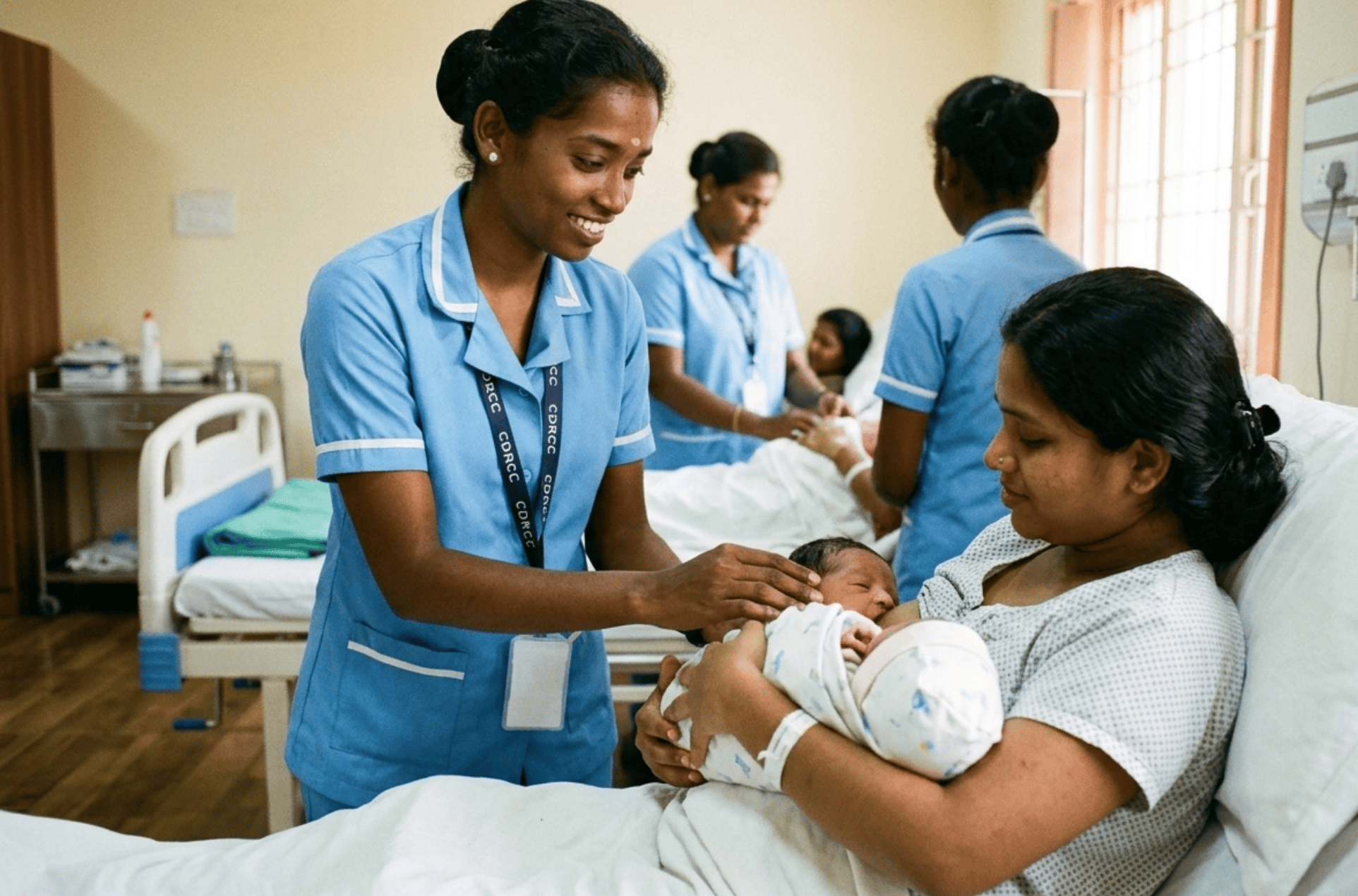
The first six weeks after delivery, known as the postpartum period, require vigilant home nursing. Key aspects include monitoring lochia (vaginal discharge), checking perineal stitches for infection, supporting breastfeeding, and watching for warning signs like postpartum preeclampsia or depression. A home nurse can also help the mother manage fatigue while caring for the newborn. For C-section patients, wound inspection and pain management are critical.
Managing Gynecological Conditions at Home
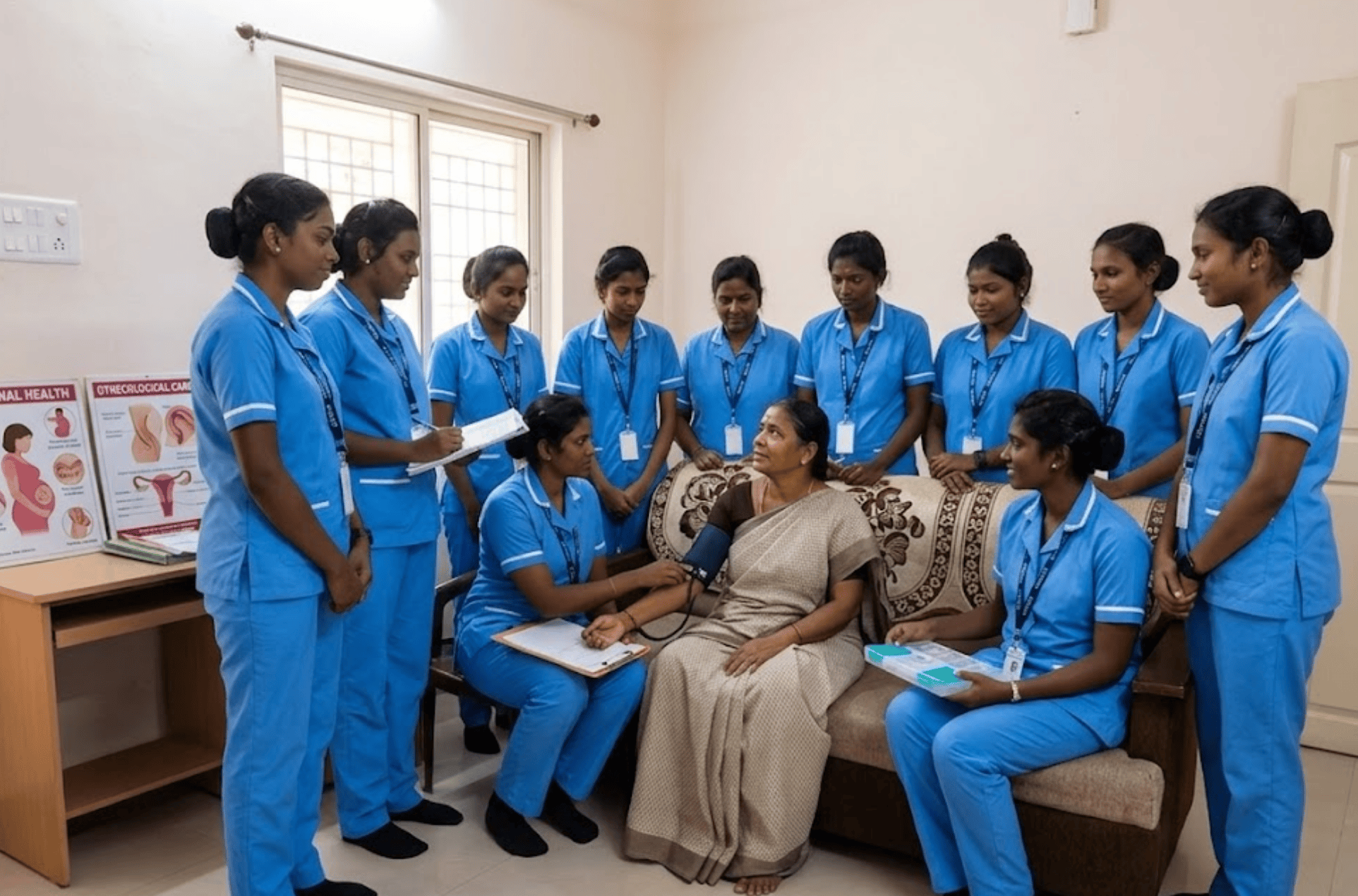
Women recovering from hysterectomies, pelvic floor repairs, or treatment for endometriosis need tailored home nursing. This includes helping with mobility to prevent blood clots, tracking abnormal bleeding or fever, and assisting with pelvic rest instructions. For older women, home nursing can address uterine prolapse or chronic urinary tract infections through catheter care, hydration plans, and fall prevention strategies.
Breast Cancer and Lymphedema Care
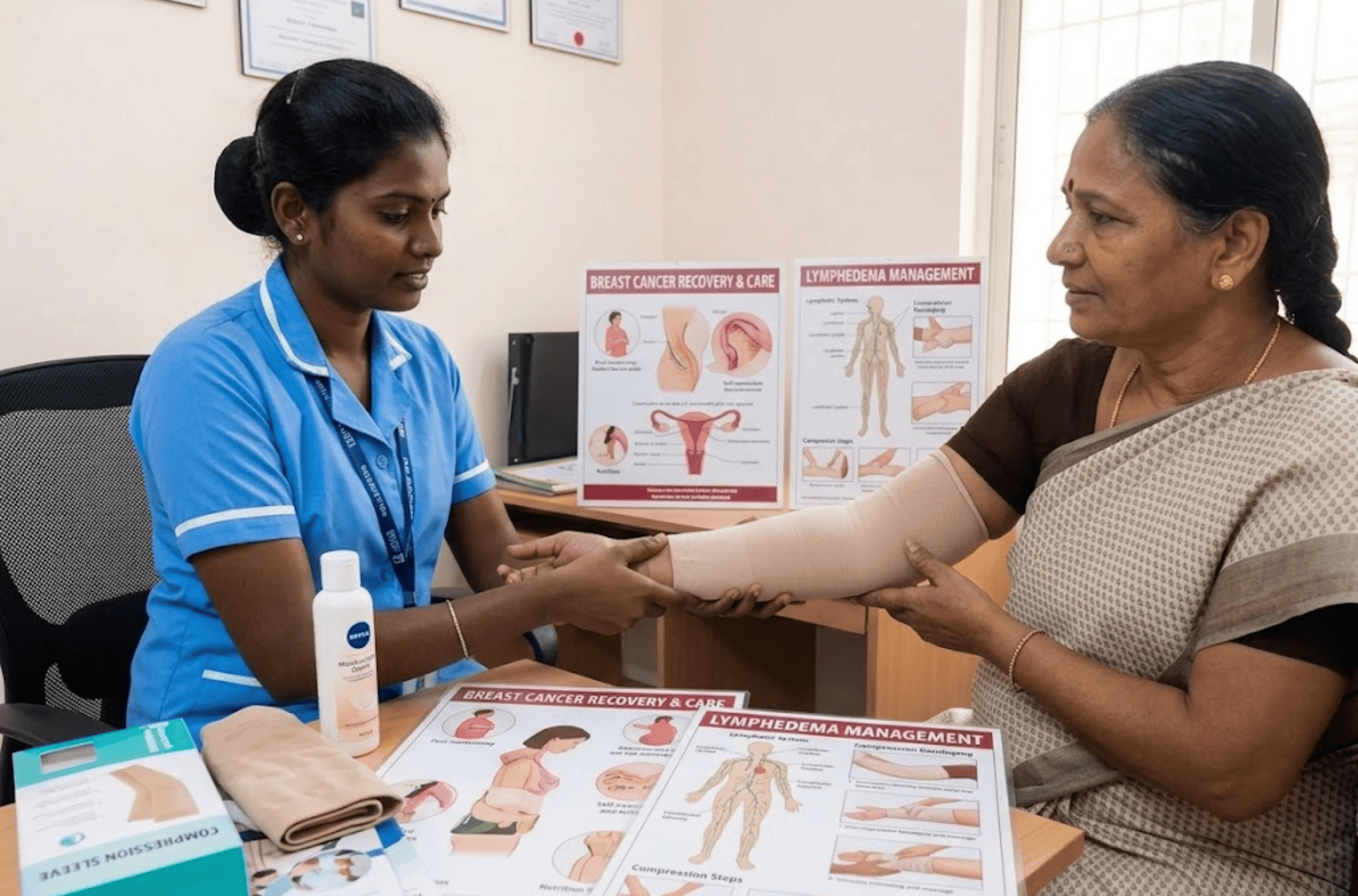
Post-mastectomy or lumpectomy patients often require wound drainage management, range-of-motion exercises, and lymphedema prevention. A home nurse teaches the woman and her family how to measure arm swelling, apply compression garments, and recognize cellulitis early. Emotional support is equally vital—nurses can facilitate relaxation techniques and connect patients to support groups.
Menopause, Chronic Illness, and Mental Health
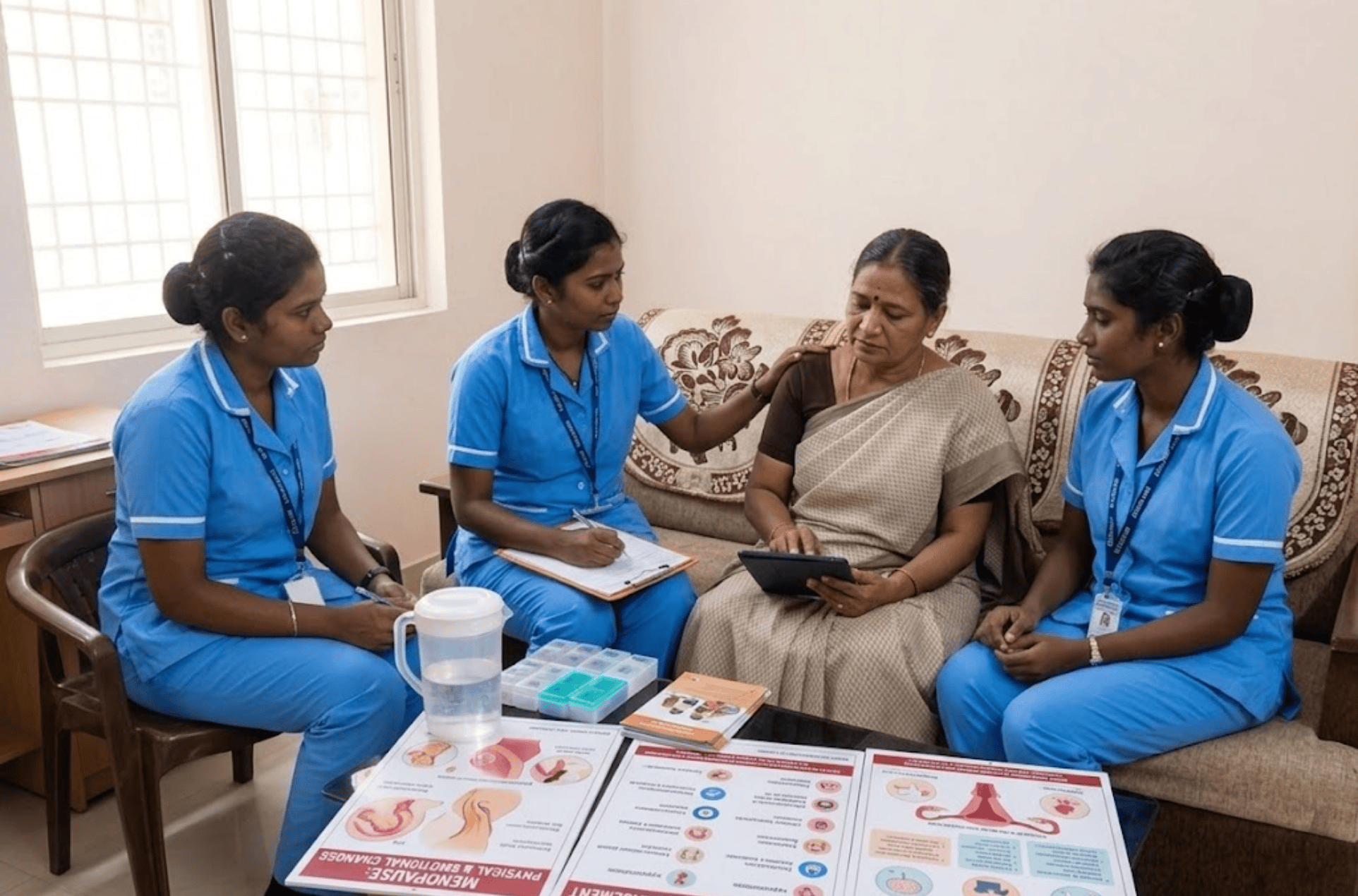
Women over 45 frequently face menopause-related symptoms (hot flashes, sleep disturbances) alongside chronic issues like rheumatoid arthritis or diabetes. Home nursing can include medication reminders, blood pressure monitoring, and dietary adjustments. Importantly, women are twice as likely as men to experience anxiety or depression; a nurse can create a safe space to discuss mood changes and coordinate with telehealth therapists.
Conclusion: Empowering Women Through Home Nursing
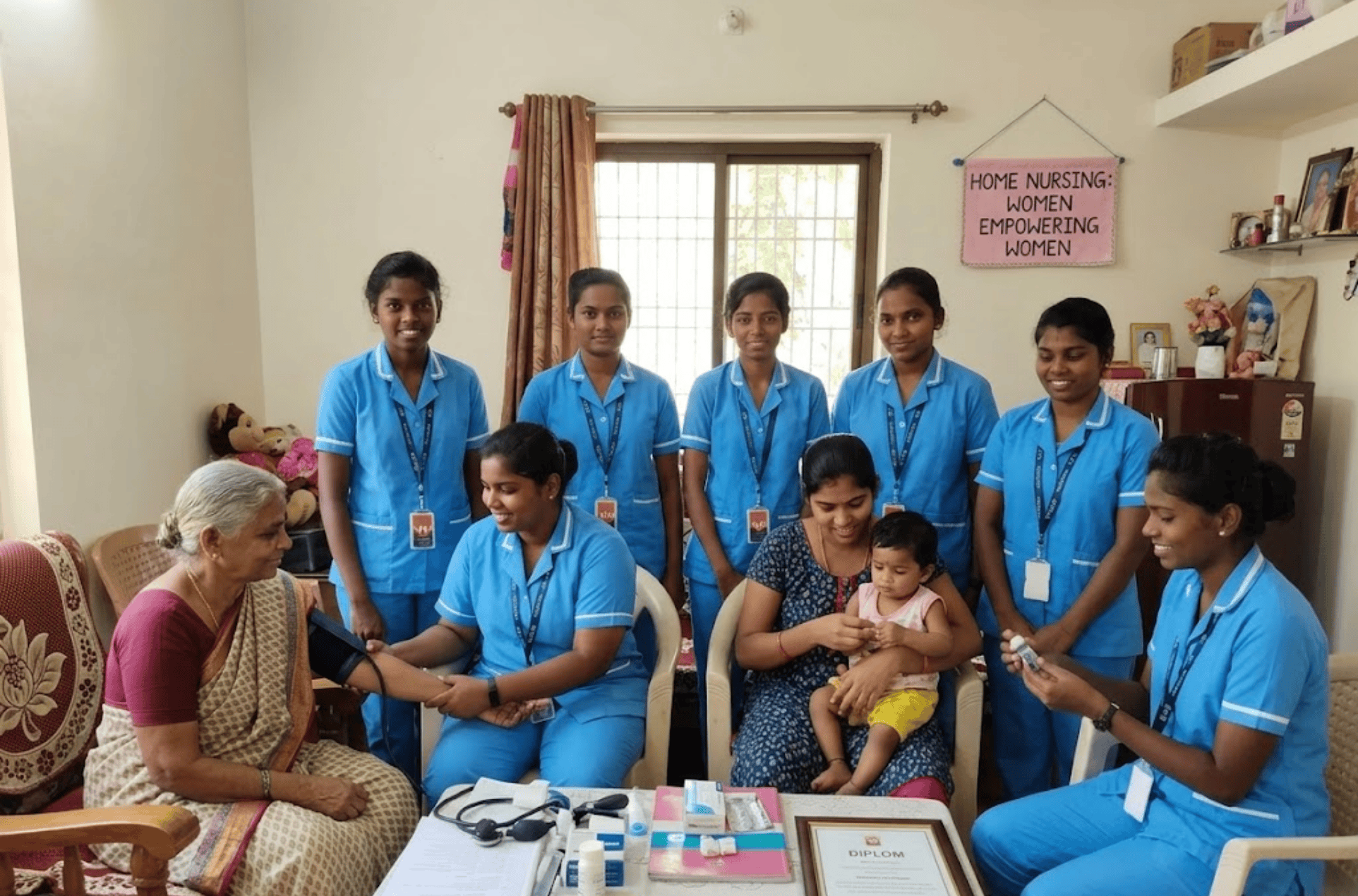
Effective home nursing for women goes beyond clinical tasks—it restores dignity, autonomy, and confidence. Family members should be trained in basic caregiving, and a written care plan with emergency contacts must be visible at home. With the right preparation, home nursing becomes a powerful bridge between hospital and full recovery, honoring the unique health journey of every woman.