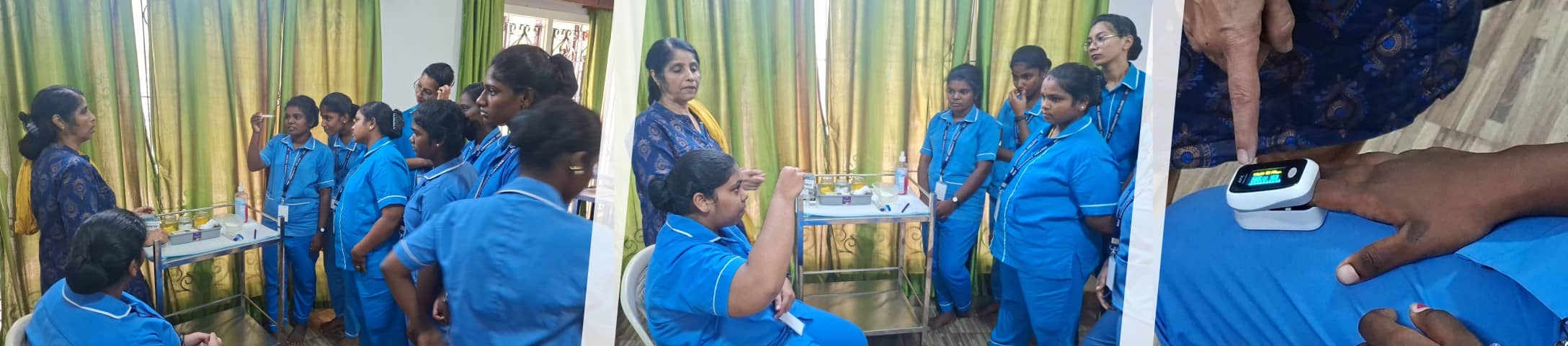
TPR (Temperature, Pulse, and Respiration) are the three core vital signs measured to assess a patient’s basic physiological function. This guide covers normal ranges, correct measurement techniques, and how to interpret abnormal findings.
At a Glance
- Temperature: 97.8°F – 99°F (36.5°C – 37.2°C)
- Pulse: 60 – 100 beats per minute
- Respiration: 12 – 20 breaths per minute
Introduction to Vital Signs TPR
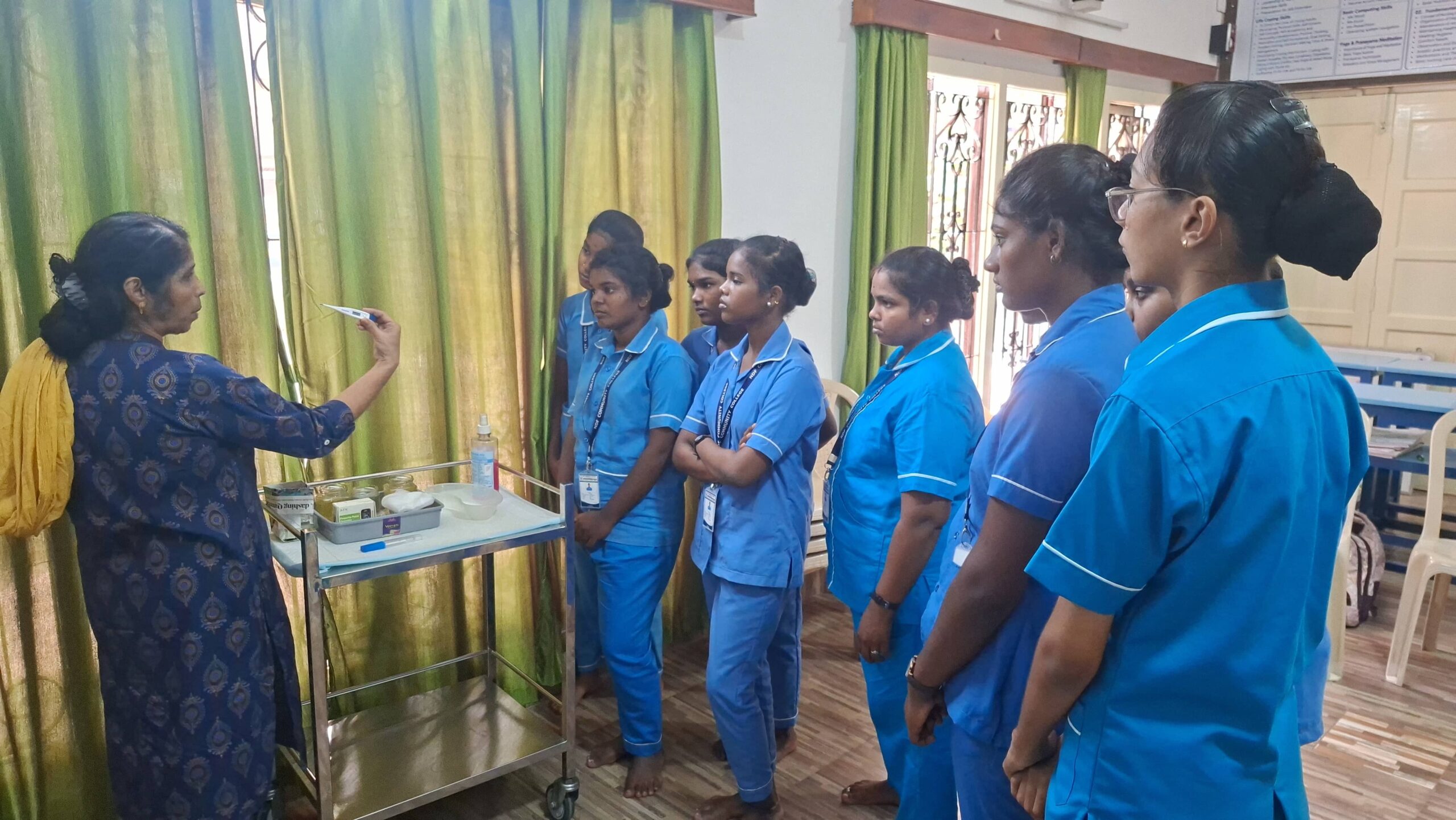
Vital signs are the most basic and essential measurements used to assess a patient’s physiological status and detect early signs of deterioration. The three primary vital signs—Temperature, Pulse, and Respiration (TPR) —provide critical information about the body’s core functions and are routinely monitored in every healthcare setting. Temperature reflects the balance between heat production and heat loss; pulse indicates the rate and effectiveness of heart contractions; and respiration shows the efficiency of oxygen delivery and carbon dioxide removal. Together, these three measurements form the foundation of patient assessment and are typically recorded together on a vital signs chart, as deviations in any one can signal underlying pathology in the others.
Temperature: Normal Ranges and Measurement Sites
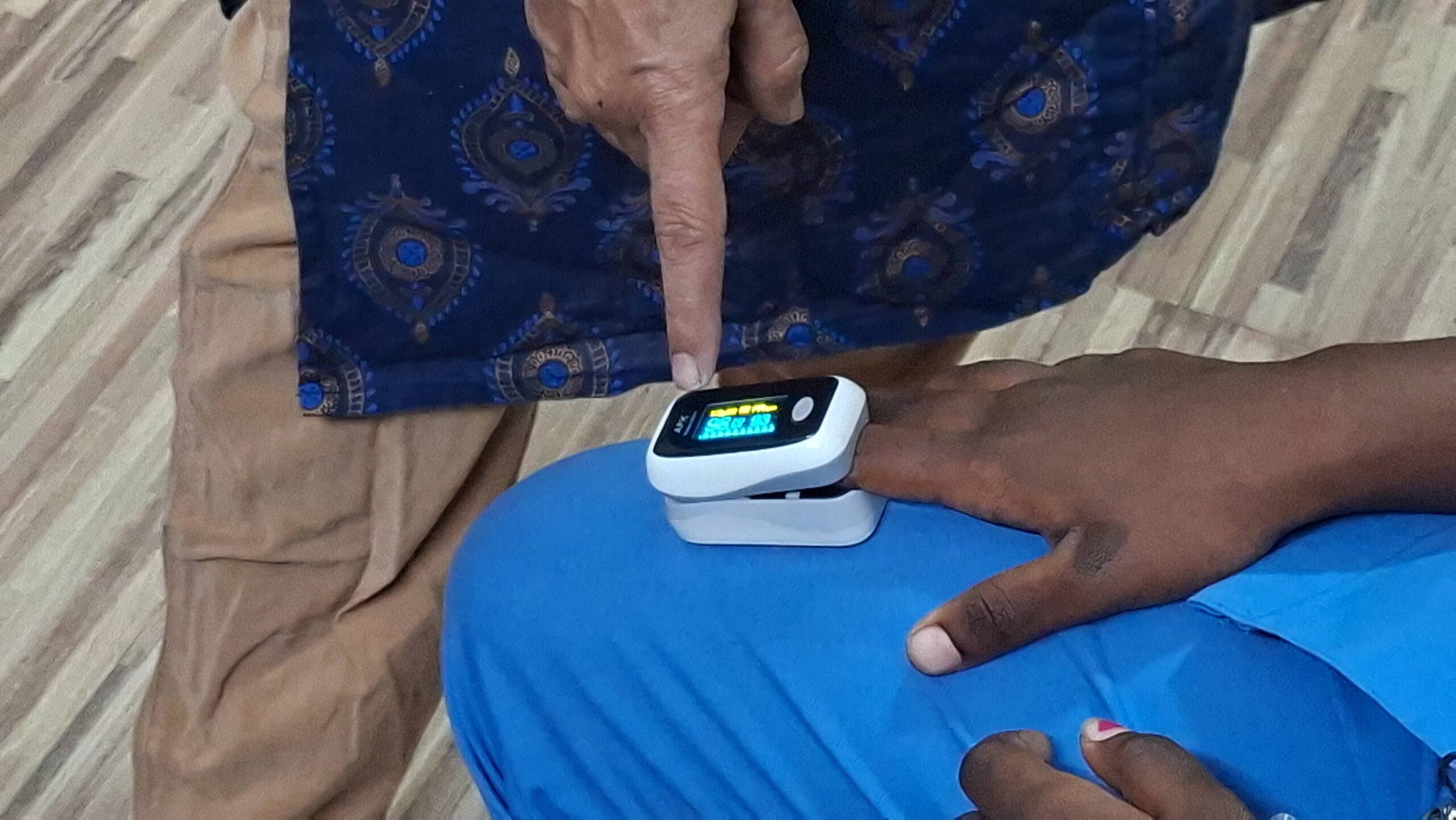
Normal Body Temperature: In a healthy adult, normal body temperature ranges from 97.8°F to 99°F (36.5°C to 37.2°C) when measured orally. However, normal ranges vary depending on the measurement site :
| Method | Normal Temperature Range |
| Axillary (armpit) | 36.5°C – 37.2°C (97.8°F – 99°F) |
| Oral (mouth) | 35.5°C – 37.5°C (95.9°F – 99.5°F |
| Tympanic (ear) | 35.8°C – 38.0°C (96.4°F – 100.4°F) |
| Rectal (bum) | 36.6°C – 38.0°C (97.9°F – 100.4°F) |
Measurement Techniques:
- Axillary: Used for newborns and young children. Place the thermometer in the centre of the armpit and tuck the arm snugly against the body for about 1 minute.
- Oral: For children over 5 years and adults. Place the tip under the tongue, mouth closed, for about 1 minute.
- Tympanic: For children over 2 years and adults. Gently tug the ear back, insert the probe to seal the ear canal, and hold for 1 second.
- Rectal: Most accurate method. Cover the tip with lubricant, insert about 2.5 cm (1 inch) into the rectum, and hold for about 1 minute.
- Important: Mercury thermometers are no longer recommended due to toxicity risk. Use digital thermometers for accuracy.
NG tubes are commonly used for patients with neurological conditions affecting swallowing, severe gastrointestinal disorders, post-surgical patients, and those with critical illnesses requiring nutritional support
Pulse: Normal Rates and Common Sites
Normal Pulse Rate: The normal resting pulse rate for adults is 60–100 beats per minute (bpm). Most healthy adults have a resting rate between 55 and 85 bpm. The pulse rate should equal the heart rate when the rhythm is regular.
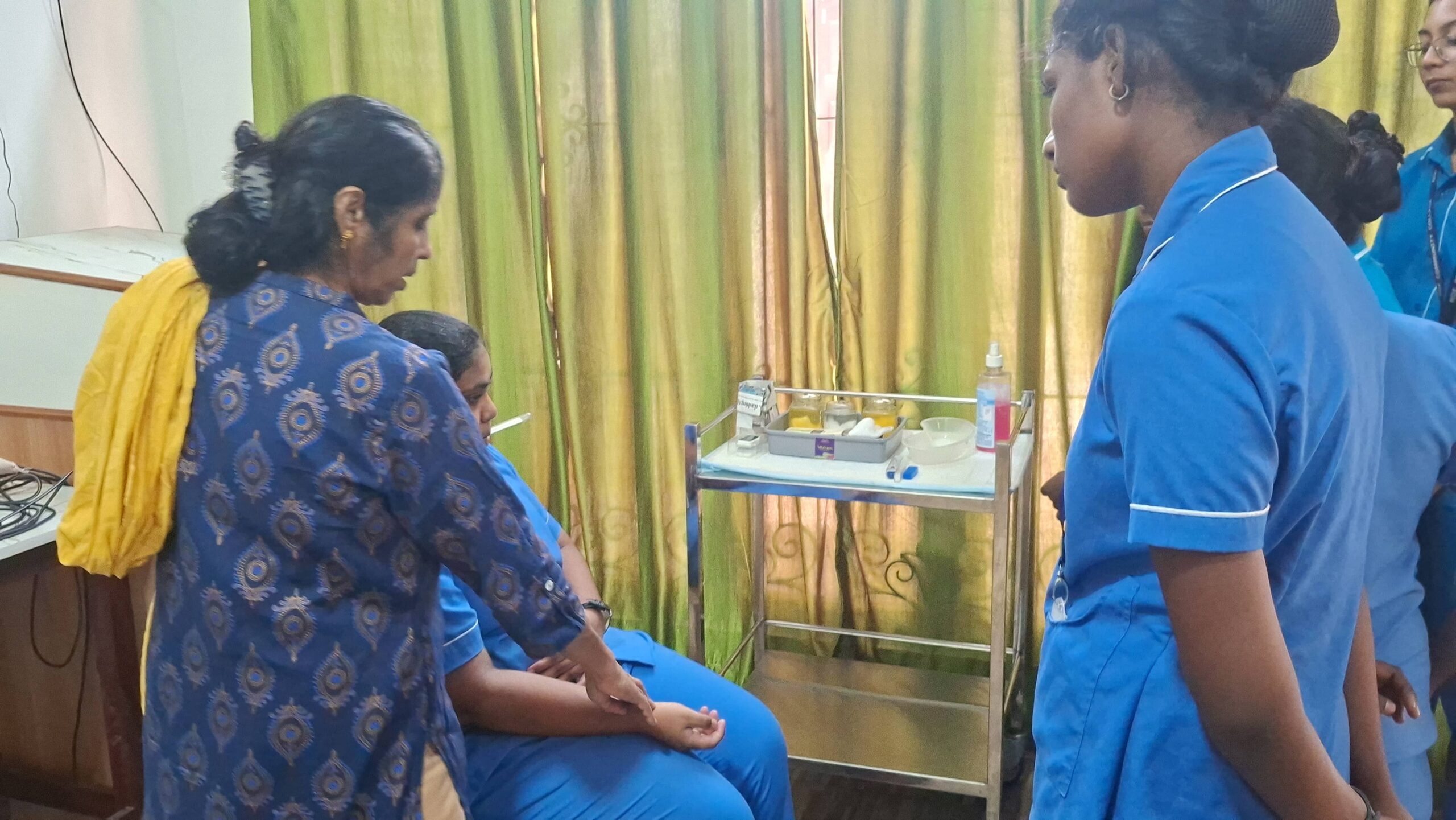
Common Pulse Sites:
| Site | Location | Use |
| Radial | Thumb side of wrist | Most common for routine measurement |
| Carotid | Neck, beside the windpipe | Emergency assessment |
| Brachial | Inner elbow crease | Blood pressure measurement |
| Femoral | Groin area | Assessing circulation to legs |
How to Measure Pulse:
- Place your index and middle fingers (never the thumb) on the pulse site.
- Press lightly until you feel a steady beat.
- Count beats for 30 seconds and multiply by 2. If the rhythm is irregular or very fast/slow, count for a full 60 seconds.
- Note the rate (bpm), rhythm (regular/irregular), and strength (strong/weak/thready).
Abnormal Findings: A pulse above 100 bpm is called tachycardia; below 60 bpm is bradycardia. When the heart rhythm is irregular (e.g., atrial fibrillation), there may be a pulse deficit—the difference between the apical heart rate and the radial pulse rate.
Respiration: Normal Rates and Observation
Normal Respiratory Rate: The normal resting respiratory rate for adults is 12–20 breaths per minute. Some sources cite a slightly wider range of 10–20 breaths per minute. For young children, the normal rate is higher—about 20 breaths per minute.

How to Measure Respiration:
- The patient should be at rest and unaware that their breathing is being counted. Pretend to continue counting the pulse while observing chest or abdominal movements.
- Watch the chest or abdomen for a full inspiration–expiration cycle as one breath.
- Count for 30 seconds and multiply by 2 if breathing is regular. If irregular, count for a full 60 seconds.
- Observe and note: rate, rhythm (regular/irregular), depth (shallow/deep), and effort (easy/laboured).
Abnormal Findings:
- Tachypnea: Respiratory rate above 20 breaths/min in adults
- Bradypnea: Respiratory rate below 12 breaths/min in adults
- Apnea: Absence of breathing
- Dyspnea: Subjective sensation of difficulty breathing
- Cheyne-Stokes: Hyperpnea alternating with apnea intervals
The Clinical Significance of TPR Together
Temperature, pulse, and respiration are not isolated measurements—they are interlinked indicators of physiological status. In health, the ratio of pulse to respiration is approximately 4:1 after the first year of life. When this ratio is disturbed, it provides important diagnostic clues:
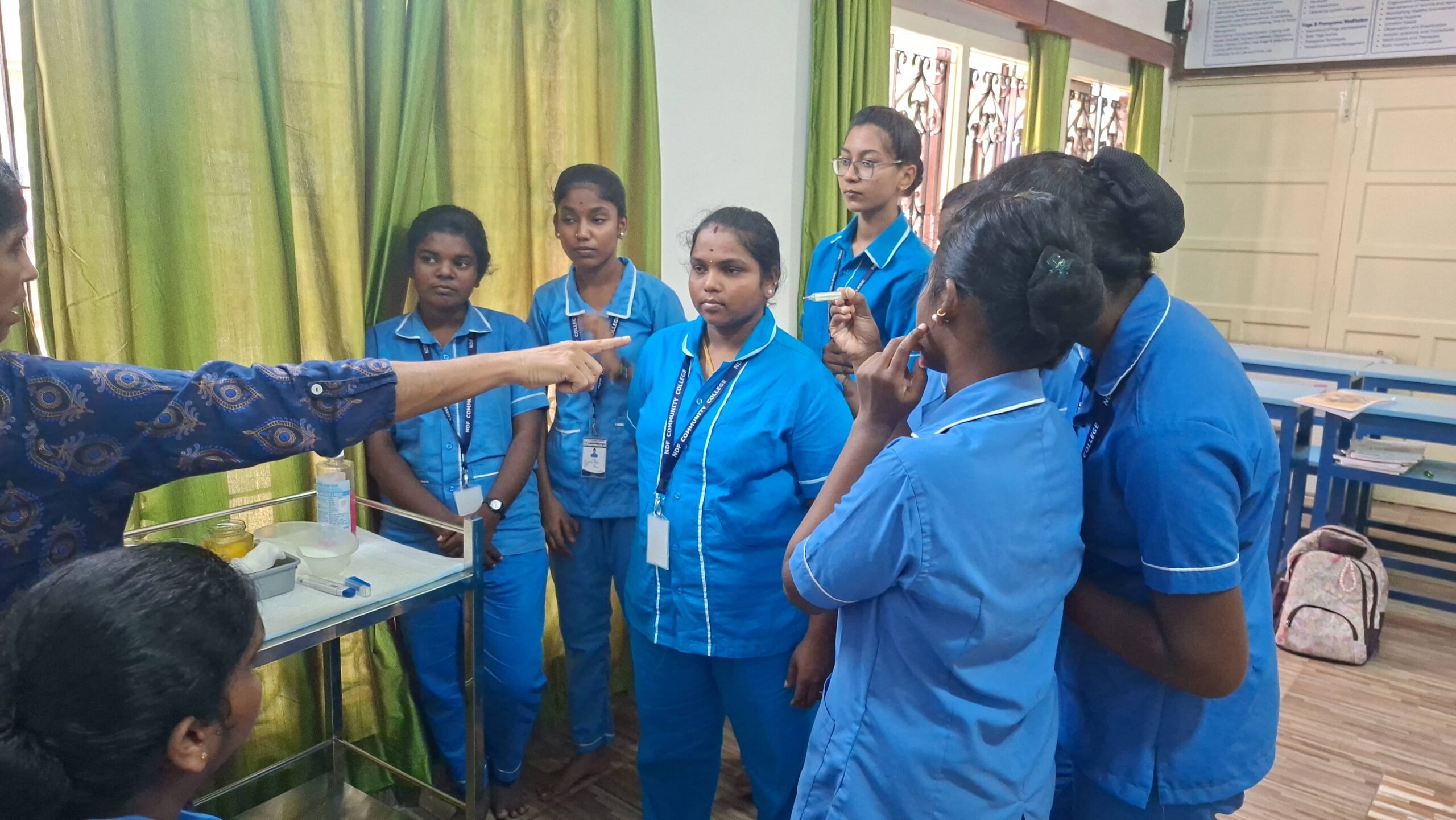
- Fever increases pulse: As a rule, each degree of fever increases the pulse rate by about 10 beats per minute. If the pulse is disproportionately rapid for the degree of fever, it suggests cardiac weakness.
- Respiratory clues: If respirations are disproportionately rapid compared to the fever and pulse, the lungs are likely the source of disease.
- Temperature patterns: Body temperature normally rises from morning until 5–8 PM and falls to its lowest between 2–6 AM. This pattern is also observed in most fevers.
- Age variations: Children have slightly higher temperatures and more easily disturbed pulse and respiration rates. Elderly patients may have slightly lower baseline temperatures.
When to Seek Medical Help:
- Temperature above 100.4°F (38°C) or below 95°F (35°C)
- Pulse persistently above 100 bpm or below 60 bpm with symptoms
- Respiratory rate above 24 or below 10 breaths per minute
- Any sudden change in consciousness, breathing difficulty, or chest pain
Nursing Considerations and Documentation
- Wait 30 minutes after the patient has consumed hot or cold food/liquids (for oral temperature) or smoked.
- Ensure the patient has been at rest before measuring pulse and respiration.
- Use the correct thermometer type for the chosen site—digital thermometers are recommended.
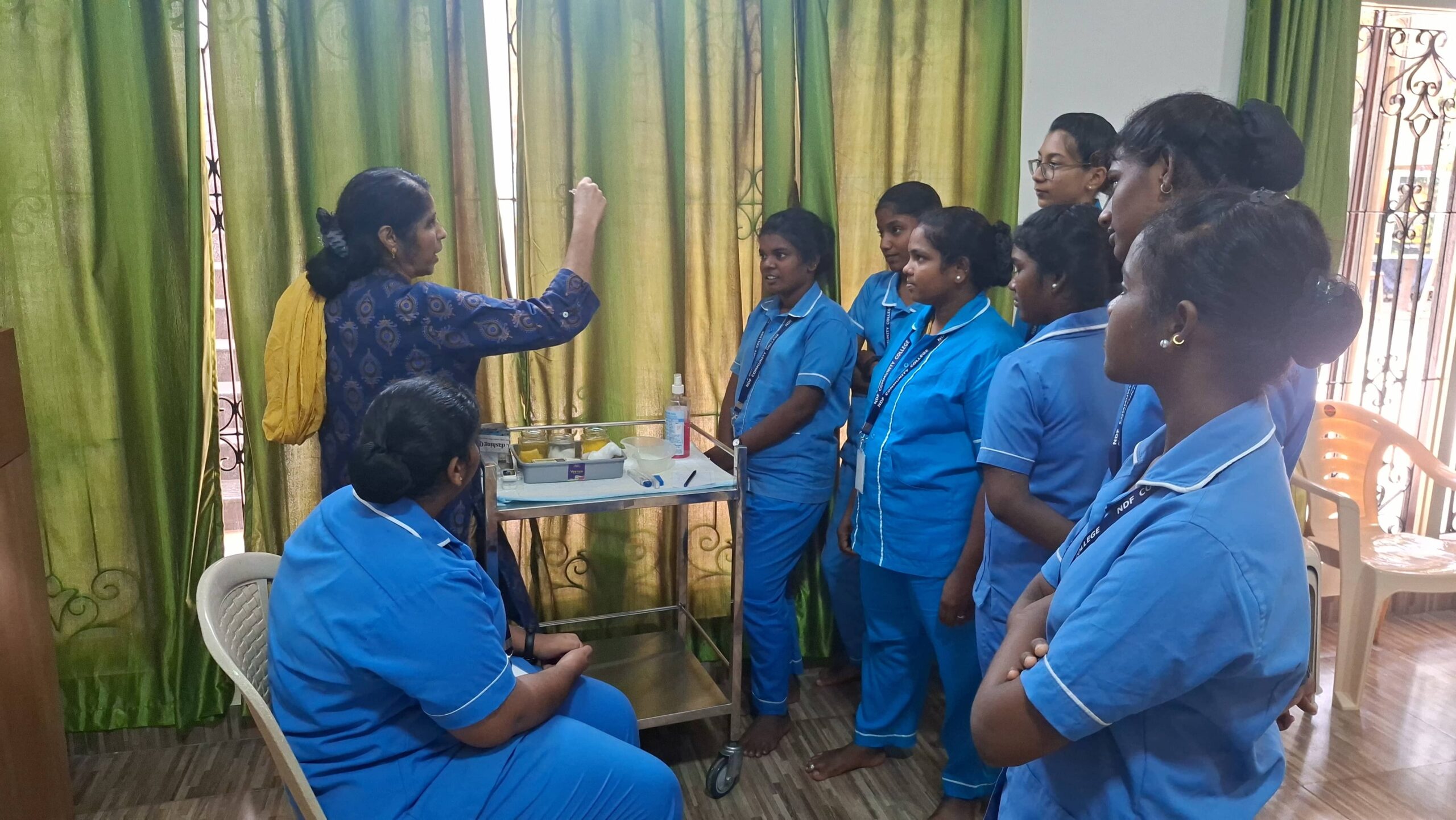
Documentation:
Record all three values together on the vital signs chart. Note any factors that may have influenced the readings, such as recent activity, medication, or emotional state. The classic nursing note format is: T: [value]°F | P: [value] bpm | R: [value] breaths/min.
Clean Equipment:
- Wash thermometers with cool soapy water before and after use (except tympanic thermometers).
- Label rectal thermometers clearly to prevent cross-contamination with oral use.
Patient Education:
Teach patients and family members how to recognize warning signs in vital signs and when to seek medical attention. Home monitoring of TPR is especially important for patients with chronic conditions such as heart disease, COPD, or diabetes.